
Herzlich Willkommen auf der Homepage unserer Privatklinik für Plastische und Ästhetische Chirurgie. Wir sind spezialisiert auf Veränderungen der Körper- und Gesichtsformen, um Ihnen zu mehr Schönheit und Selbstbewusstsein zu verhelfen. Unser erfahrenes Team bestehend aus leitenden Fachärzten für plastisch-ästhetische Chirurgie und Fachkräften legt höchsten Wert auf eine individuelle Beratung und Betreuung unserer Patienten. Mit modernsten operativen Techniken, minimal-invasiven Therapien und einer fortschrittlichen Ausstattung garantieren wir höchste Qualität und Sicherheit bei jedem Eingriff. Unsere Klinik bietet Ihnen eine diskrete und angenehme Atmosphäre, in der Sie sich wohlfühlen und entspannen können.
Wir freuen uns darauf, Ihnen zu einem neuen Lebensgefühl zu verhelfen.
Über Vital Aesthetic
Bei uns
sind Sie
in sicheren Händen.
Die Idee eine plastisch-ästhetische Praxis zu entwickeln, wuchs bei uns im Laufe der letzten Jahre geradezu exponentiell. Im heutigen Gesundheitssystem ist die Zeit, die man für den Einzelnen aufwenden kann häufig zu kurz. Darum ist es uns wichtig in einem privaten Setting und einer angenehmen Atmosphäre, auf die Wünsche und Fragen des Einzelnen eingehen zu können, sich einfach Zeit zu nehmen.
Vereinbaren Sie jetzt einen Termin:
Unsere Arbeit
Leistungen
Als Spezialisten für Plastische- und Ästhetische Chirurgie wurden wir über einen Zeitraum von
über 20 Jahren ärztlich ausgebildet um mit einer sehr guten Expertise dieses Spektrum zu bedienen.
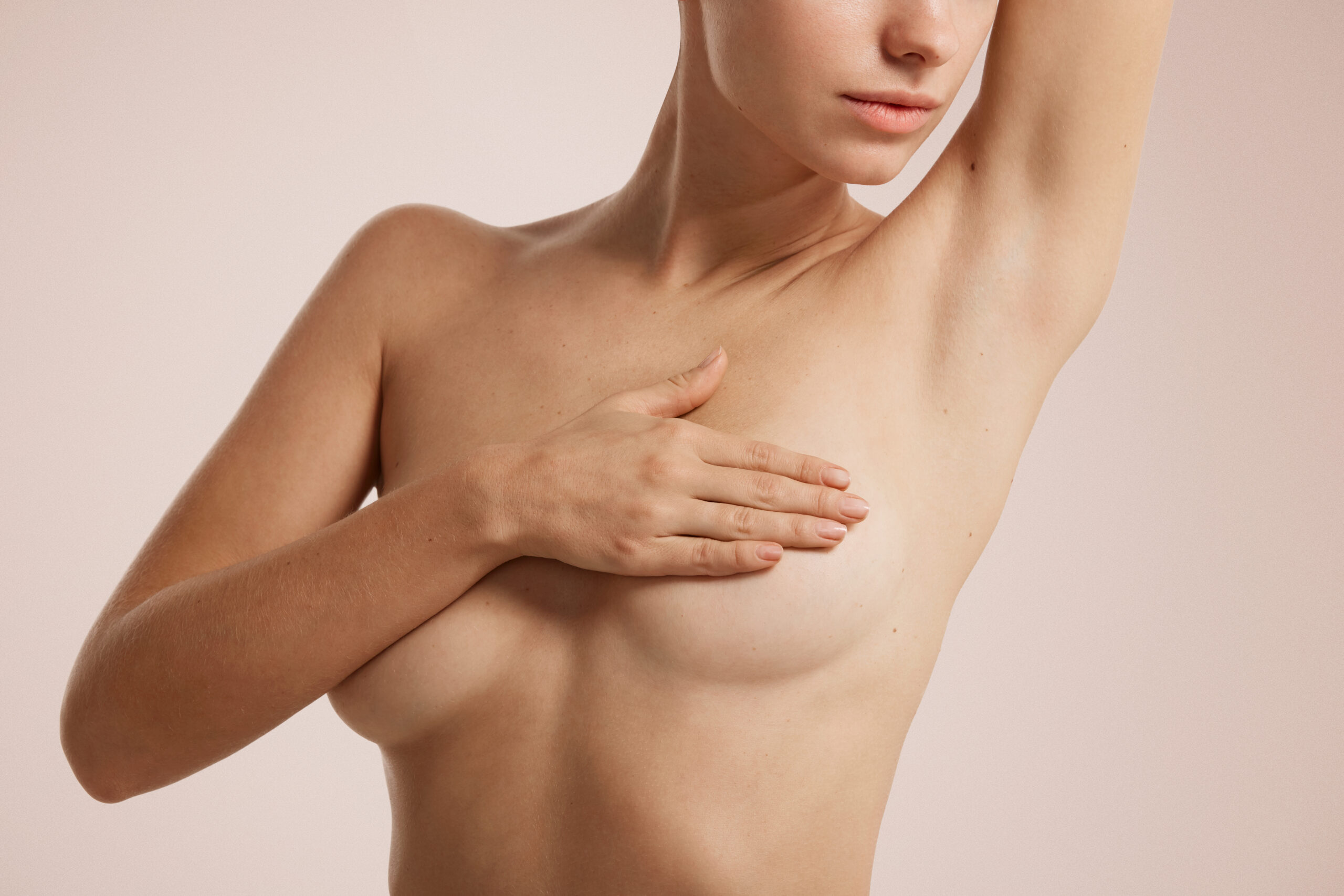
Brustvergrößerung
Eine Brustvergrößerung ist ein chirurgischer Eingriff zur Steigerung des Brustvolumens, mit Hilfe von Implantaten oder Fetttransplantation.
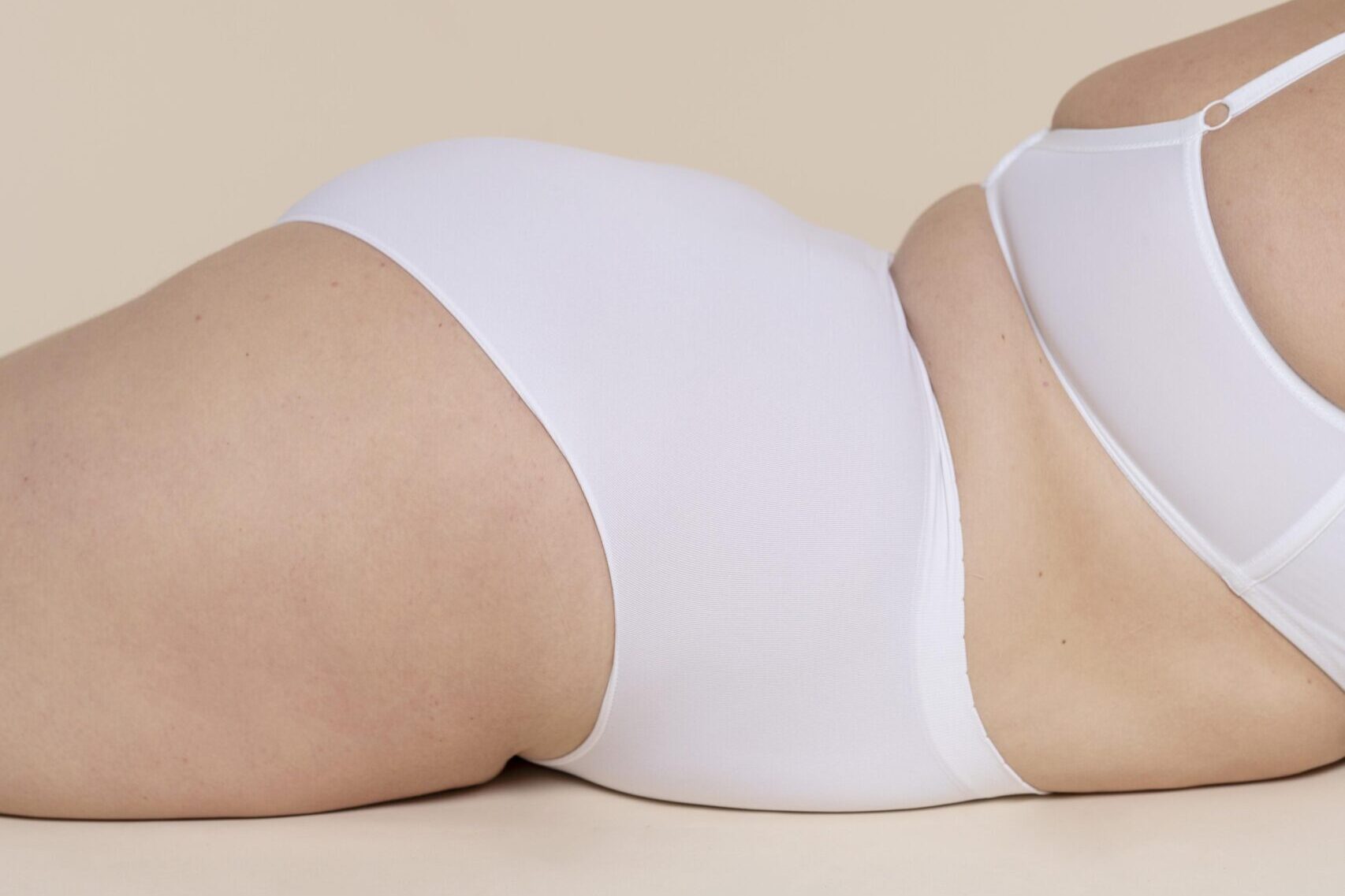
Fettabsaugung
Die Fettabsaugung, auch Liposuktion genannt, ermöglicht es mittels kleinster Zugänge Fettgewebe abzusaugen und die Körpersilhouette dadurch neu zu formen.
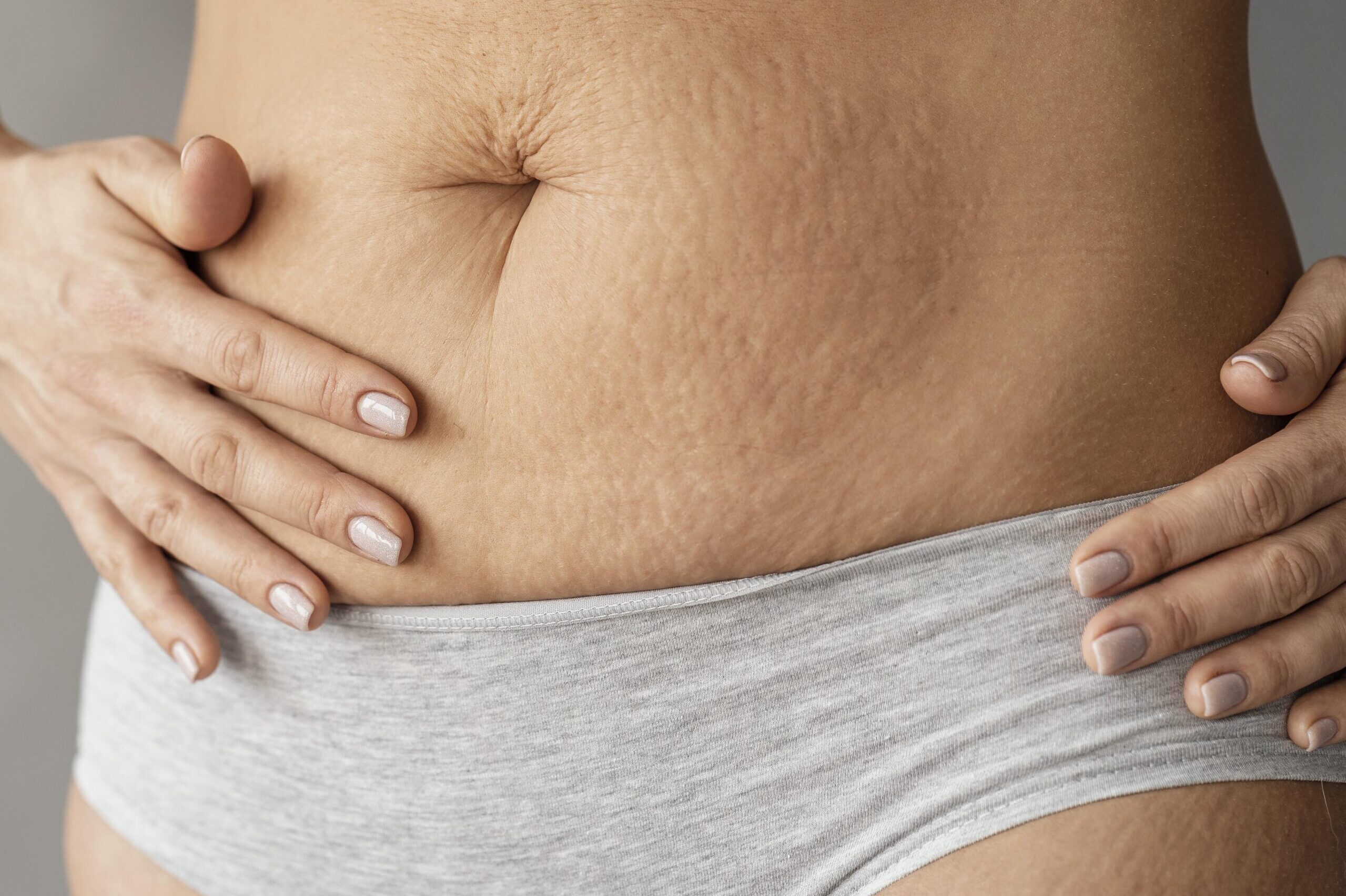
Mommy Makeover
Ein „Mommy Makeover“ ist meist eine Kombination aus verschiedenen Therapien (z.B. Bruststraffung, Bauchdeckenstraffung, Liposuktion), um nach Schwangerschaften das überdehnte Gewebe zu straffen.
Augenlidstraffung
Mit zunehmendem Alter verliert die Haut an den Ober- und Unterlidern an Elastizität und es bildet sich überschüssiges Gewebe. Die Augenlidplastik, auch Blepharoplastik genannt, ist eine medizinische-ästhetische Therapie um die Augenlider zu straffen und zu verjüngen.
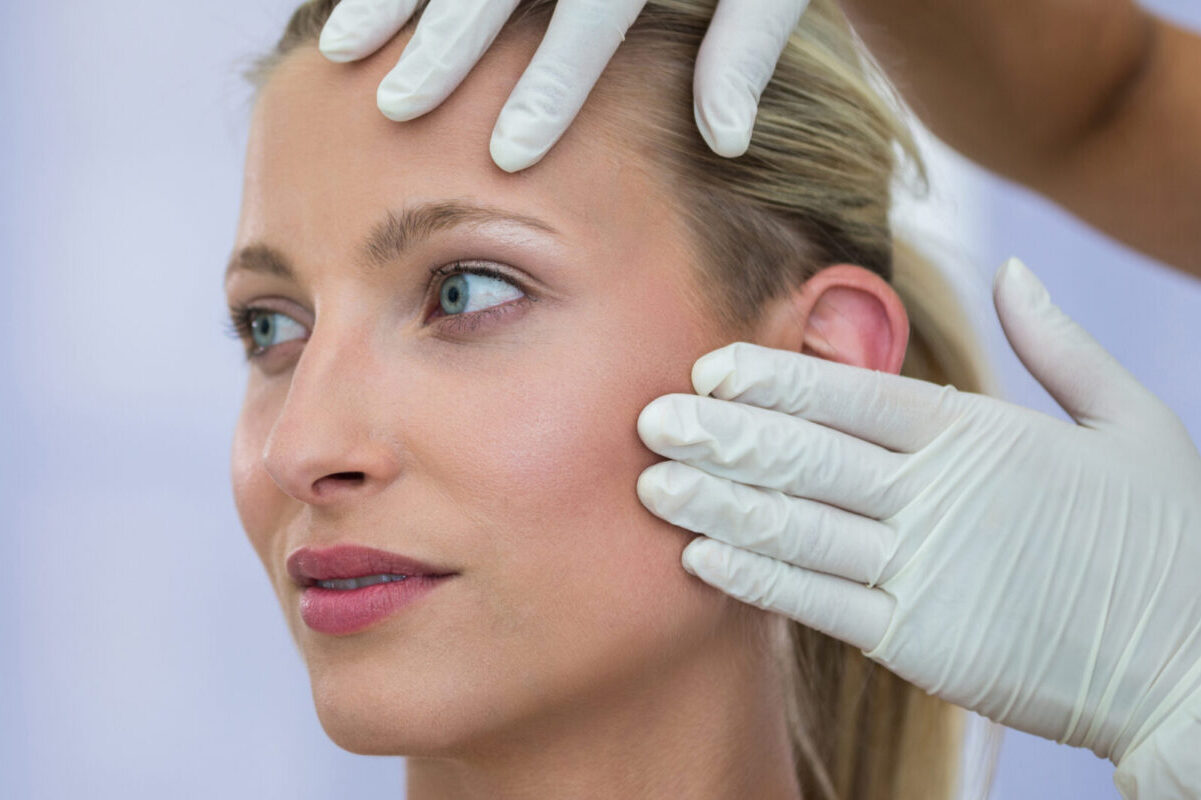
Facelifting
Das Facelifting hat sich über die Jahre hinweg als äußerst erfolgreich erwiesen und kann Ihnen zu einem jüngeren und vitaleren Aussehen verhelfen. Bei diesem chirurgischen Eingriff wird Volumen umverteilt und gestrafft, sowie überschüssiges Gewebe entfernt.
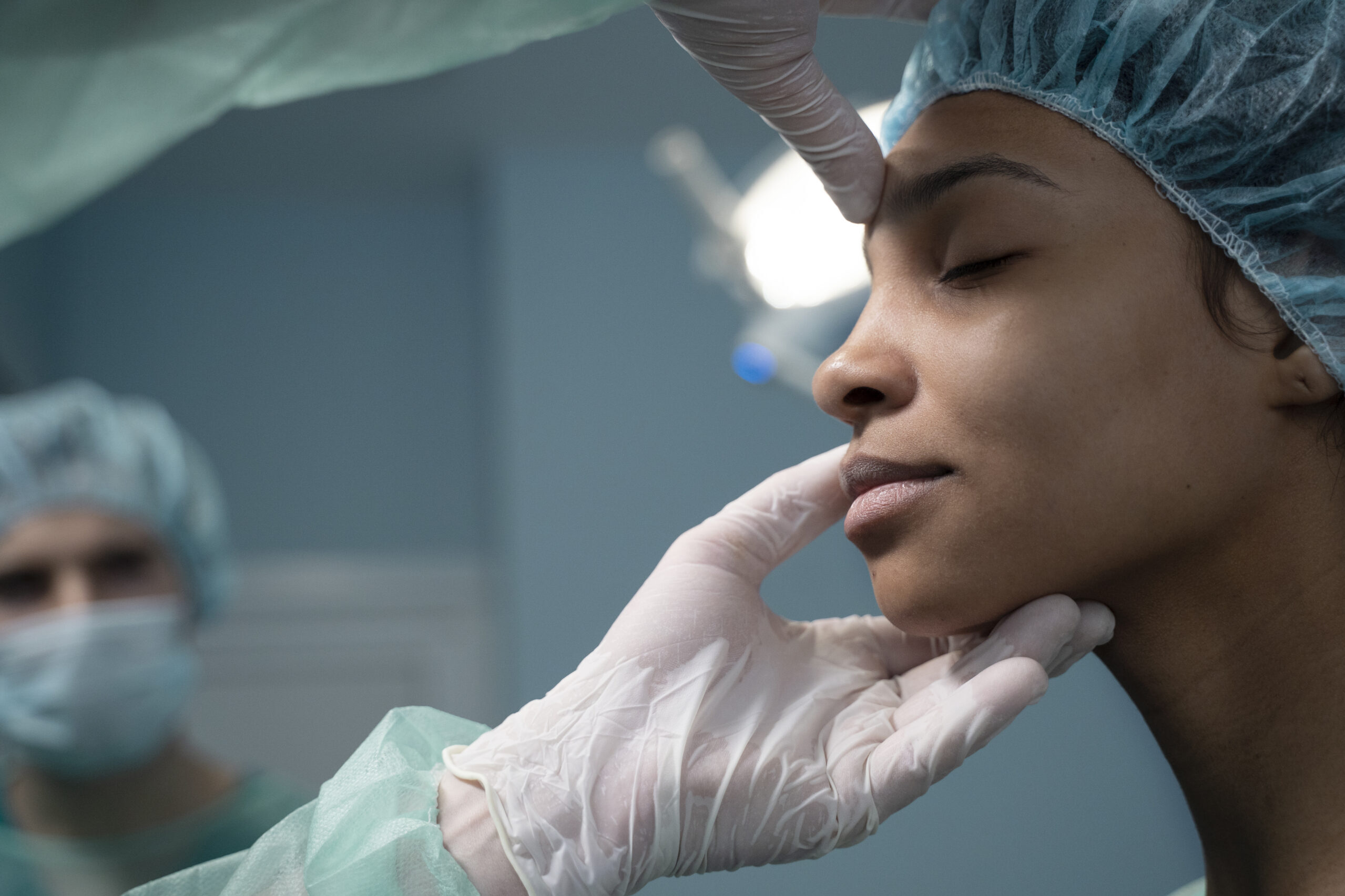
Botulinumtoxin & Filler
Mit Botulinumtoxin bieten wir Ihnen eine nicht-chirurgische Behandlung, die gezielt die Muskeln entspannt und störende Falten reduziert.
Unsere Filler-Behandlungen hingegen sorgen für natürliche Volumenverbesserungen mit z.B. Hyaluronsäure, damit können wir gezielt kleinere Areale konturieren und hervorheben.
Meinungen unsere Patient:innen
Ich habe mir lange überlegt, ob ich mir die Brüste vergrößern lasse. Es war für mich ein großer Schritt und habe lange gezögert. Ich habe mich von der Beratung bis zum Schluss bei
Frau Dr. Bertolini gut verstanden und aufgehoben gefühlt. Ich bin froh, dass ich es gemacht habe – ein großes Danke für die Unterstützung!
Miriam W.
Perfektes Ergebnis, sehe viel jünger aus.
Habe mir ein Facelift machen lassen und bin sehr glücklich, dass es so natürlich und frisch aussieht. Supernettes Team.
Annette M.
Habe mir am Bauch Fett absaugen lassen, habe die Problemzone trotz täglichem Sport nicht in den Griff bekomme.
Hatte nach der OP kaum Schmerzen. Ging alles superschnell und sieht top aus – Merci!
Florian L.
Schreiben Sie uns
Kontaktieren Sie uns:
Sie haben Fragen oder möchten sich unverbindlich beraten lassen?